Rust, How a Solo Player Held a Base Right Next to Oil Rig
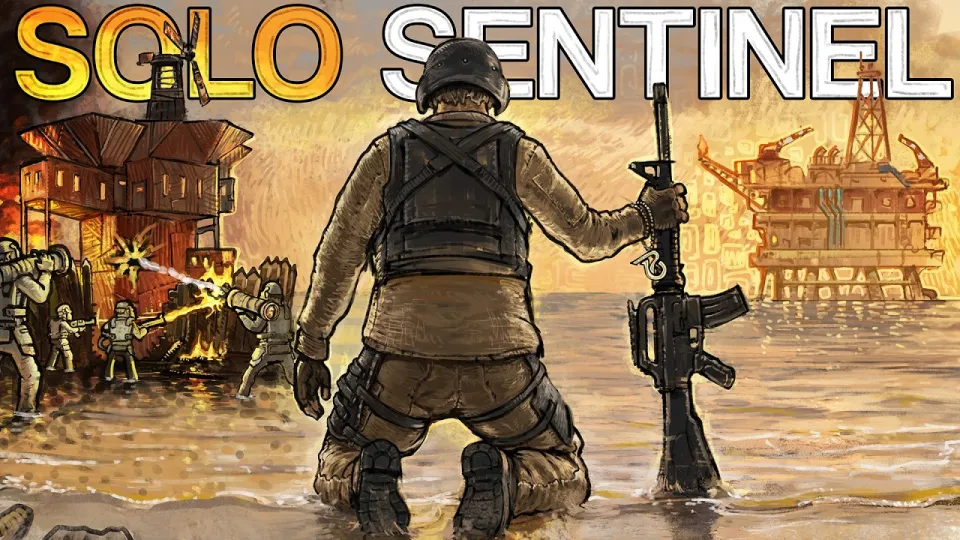
Video: The Solo Sentinel - Rust
You can order the same kind of articles for your own video to boost it on YouTube and Google. Just message the Telegram bot @sat_sit_bot. The bot writes and publishes the articles itself (with your YouTube video embedded) on popular topical websites (no ads). Try it free: 50 articles on us.
· based on the channel Blooprint
Rust solo survival usually means staying far from the busiest monuments, but the opposite approach can work: pick a spot next to Oil Rig, build small, and let every group that passes by fund your progression. That is the idea behind Blooprint's solo run, where a single player claims the shoreline near the monument, farms the traffic it attracts, and turns a modest starter base into a defended stronghold. The full run is documented on his channel, and you can follow the live version of the same playstyle on Blooprint's Twitch channel.
What makes a solo base next to Oil Rig viable
The core advantage of building near a monument is traffic: every group heading to Oil Rig passes your door, and every fight you win there is gear you did not have to craft. A solo does not need to contest the monument itself; the shoreline, the nearby roads and the small monuments around it generate enough scrap and components to keep a tier 2 workbench busy.
The trade-off is exposure. A base near Oil Rig is on the route of every roaming group, so the design has to assume it will be found early. Key principles for this kind of spot:
- Keep the footprint small so the base is cheap to rebuild and hard to spot from the water.
- Layer the loot: a decoy room, a sealed core and separate storage so one breach does not end the wipe.
- Use turrets as a force multiplier, because a solo cannot watch the door and farm at the same time.
- Stock building materials continuously; a defense is won by whoever runs out of walls last.
- Keep an escape route, usually toward the water, so a lost fight does not mean a lost spawn.
The snowball: from starter gear to tier 3 in one session
A solo snowball works by converting one lucky fight into a permanent gear advantage. The pattern is familiar: kill a player with a decent kit near the monument, take the gun and the components, craft a tier 2 bench, and use the first real weapon to contest better loot. Each step reduces the time needed for the next one.
On a fresh wipe this happens fast. Groups are still moving through the monument with tier 1 gear, which means a solo with a single good weapon and good positioning can punch above his weight. The important part is not the aim but the timing: farming scrap early, keeping the workbench close to the loot, and never carrying more than you can afford to lose on a single run.
Base defense against a rocket raid
The raid is the moment the whole strategy is tested. A group arriving with rockets expects a solo base to fall in a couple of minutes, so the defense has to make the first breach expensive. Practical measures that matter in that situation:
- Turrets covering the approach angles, especially the side facing the water and the monument road.
- Multiple layers between the outer wall and the loot, so rockets have to be spent on empty space.
- A sealed core with the most valuable items, kept separate from the everyday crafting area.
- A nearby respawn point or sleeping bag so the defender can re-enter the fight after dying.
- Repair materials stored inside the base, not in a separate shack.
Even when the raid eventually breaks through, the cost in rockets and time is what decides whether the attackers consider the target worth it. A solo who forces a long fight often keeps most of the loot simply because the attackers run out of explosives or patience.
Typical questions from solo players watching this run
Solo content raises the same doubts every wipe. Is it worth building near a hot monument at all, or is it better to hide in the snow and farm quietly? The answer depends on how much time you have: a nearby monument accelerates progression but demands constant attention, while a remote base is safer and slower. Viewers also ask how a solo deals with groups of three or more, and the honest answer is that the solo does not fight them head-on; he fights from the base, from height, or from the water, and only when the odds are tilted by turrets or by the attackers being loaded with loot.
Another common question is about base size. A small base is easier to defend but holds less; a large base signals wealth and attracts raids. The compromise used in this run is a compact footprint with a hidden core, which keeps the profile low while still protecting the important storage.
Why solo Rust videos resonate more than team wipes
The appeal of a solo run is that every decision is explained out loud, from the choice of the base spot to the reason for a specific turret placement. In a group video, communication is split between teammates and the audience only sees the result; in a solo video, the viewer follows the reasoning in real time. That is why so many players ask for more solo content and for collaborations with random players met along the way rather than fixed teams.
There is also the relatability factor. Most Rust players are solos or small groups, so a run built around a starter base, a lucky kill and a desperate defense mirrors their own wipes far more than a 20-minute rush to tier 3 by a coordinated squad.
Where to follow Blooprint and the rest of his content
All of the creator's platforms are listed below, and each one offers a different format of the same playstyle:
- Twitch for live wipes and raids.
- Kick as an alternative live channel.
- TikTok for short clips.
- Twitter for updates and wipe announcements.
- Discord for the community and server talk.
Conclusion
The Solo Sentinel is a compact lesson in Rust solo play: location beats raw skill, base design beats gear, and patience beats numbers. Building next to Oil Rig is risky, but it turns the map's busiest route into a farm and forces every attacker to pay for the privilege of raiding a small base. Blooprint's breakdown of the run is worth watching for the defense alone, and the live version of the same approach is available on his Twitch stream.
Key takeaways
- Blooprint built his solo base directly next to Oil Rig, one of the most contested monuments on the map.
- The run is a fresh-wipe snowball: a small start that escalates into tier 2 and tier 3 gear within the first hours.
- The base was designed as a compact, layered solo bunker with turrets and sealed loot rooms.
- A group attacked with rockets late at night; the defense held long enough to make the raid costly.
- The video is a solo narrative, not a team wipe, focused on positioning and base design instead of raw PvP speed.
Questions & answers
Is it actually worth building a solo base next to Oil Rig in Rust?
It is worth it if you can play in long sessions and accept constant contact. The monument brings a steady flow of geared players, scrap and components, which speeds up progression dramatically. The cost is that your base sits on a highway for roaming groups, so you need turrets and a layered core from the first day.
How does a solo defend against a group with rockets?
The goal is not to win the fight outright but to make the raid expensive. Turrets covering the approach, several empty layers before the loot, and a sealed core force the attackers to spend rockets on walls that protect nothing. Repair materials stored inside the base let you keep replacing damaged walls during the fight.
Why do viewers prefer solo Rust content over team videos?
In a solo video the creator narrates every decision to the audience, from base placement to fight selection, instead of talking to teammates. That makes the reasoning visible and the struggle relatable for the many players who mostly play alone or in small groups.
What is a snowball in Rust and how does it work?
A snowball is the process of turning a small early advantage into a large one. A single kill on a geared player near a monument gives you a weapon and components, which let you craft a better workbench and contest better loot. Each successful step shortens the time needed for the next one.
Source: The Solo Sentinel - Rust · Markdown version